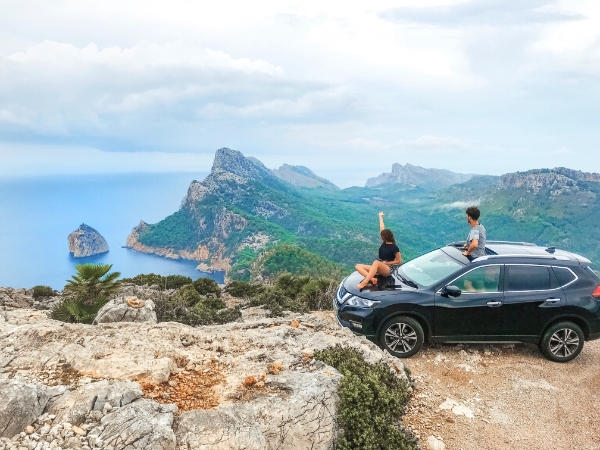
Arriving at the Roland Garros Airport marks the start of an extraordinary journey into the Indian Ocean. As the main gateway to Réunion Island, Saint-Denis offers a delightful blend of French provincial charm and tropical energy. The city serves as a vital hub, connecting rugged mountains to sun-kissed beaches.
While its infrastructure is well-maintained, driving in Saint-Denis requires local knowledge due to its unique geography. From historic Creole mansions to modern viaducts, navigating these streets is a vibrant experience. To explore the island—from the Piton de la Fournaise to the Cirque de Salazie—having a vehicle is essential for a safe and exciting holiday. This guide provides ten practical tips to help you smoothly drive around this capital city.
When booking a rental car in Réunion, the default transmission option is almost always a manual car. While this is standard across much of Europe, it can pose a challenge for tourists who are not used to shifting gears, especially given the island's topography. Saint-Denis itself features several steep inclines as the city climbs toward the mountains, and once you leave the city limits, the roads become a series of hairpin turns and dramatic elevation changes.
Choosing to pay a little extra for an automatic transmission is one of the best investments you can make for your trip. It allows you to keep both hands on the wheel during tight turns and eliminates the stress of hill starts in heavy city traffic. Furthermore, when you are descending from the high plateaus back into Saint-Denis, an automatic car with a manual override or sport mode can help manage your speed without overheating the brakes. The comfort of an automatic car allows you to focus more on the stunning scenery and less on the mechanics of driving.
While a valid driving licence from your home country is often sufficient to pick up a rental car, carrying an International Driving Permit is a wise precaution for any visitor from outside the European Union. In the event of a routine traffic stop by law enforcers or if you are involved in a minor fender bender, having a document that translates your credentials into French can simplify the process immensely.
Police checks in and around Saint-Denis are not uncommon, especially during holiday periods or late at night. The officers are generally professional and polite, but they will expect all your documentation to be in order. Keeping your passport, rental agreement, insurance papers, and driving permit in a dedicated folder in the glove box will ensure that any interaction with the authorities is quick and hassle-free.
In the digital age, we have become reliant on real-time navigation apps, but Réunion’s dramatic terrain can interfere with mobile signals. Within the dense urban pockets of Saint-Denis, the high buildings and narrow streets can occasionally cause GPS drift, and once you head into the deep valleys or volcanic craters, 4G and 5G signals often disappear entirely.
To avoid getting lost in the maze of one-way streets in downtown Saint-Denis, you should download the entire map of the island for offline use. Mobile apps allow you to save large areas to your phone’s memory, ensuring that you have access to turn-by-turn directions even when you are in the middle of a national park. This simple step provides a vital safety net, ensuring you can always find your way back to your hotel in the capital after a long day of exploring.

The term les bouchons is one that every visitor to Saint-Denis will learn quickly. Literally translating to corks, it refers to the notorious traffic jams that can paralyse the city during peak hours. Because Saint-Denis is squeezed between the mountains and the sea, there are limited routes in and out of the urban centre. This bottleneck effect means that the daily commute for locals is a significant factor in road conditions.
To ensure your holiday remains stress-free, it is vital to time your excursions carefully. The morning rush hour typically begins as early as 7 AM and lasts until 9 AM as workers pour into the capital from the surrounding coastal towns. Similarly, the late afternoon from 4 PM until 6 PM sees a massive exodus. If you are planning a trip to the mountains or a day at the beach, try to leave before the sun rises or wait until the mid-morning lull. Being caught in a bouchon in the tropical heat can be exhausting, so planning your day around these windows will significantly enhance your travel experience.
One of the most critical concepts for any tourist driving in a French territory is the rule of priority to the right. This is a fundamental aspect of European road safety that often catches visitors from the United Kingdom or North America off guard. In Saint-Denis, unless a road is clearly marked with a yellow diamond sign indicating it is a priority road, or there are clear stop or yield lines, you must yield to any vehicle entering the intersection from your right-hand side.
This rule is particularly prevalent in the older residential quarters of the city, where intersections may lack modern signalling. It is common for local drivers to pull out confidently from a side street, expecting you to slow down and grant them passage. When navigating the grid-like streets of the city centre, always maintain a cautious speed and scan every intersection. Even if you feel you are on the main thoroughfare, the absence of a painted line on the ground means the right-hand rule applies. Mastering this habit early will prevent unnecessary horn-honking and, more importantly, avoid collisions.
Local drivers in Réunion are exceptionally skilled and intimately familiar with the twists and turns of their island. They often maintain a brisk pace that can feel intimidating to a tourist who is trying to take in the views. In Saint-Denis and on the arterial roads leading out of the city, you may find drivers following closely behind you if they feel you are moving too slowly.
The best way to handle this is to remain calm and look for opportunities to let them pass. Most of the winding roads have designated pull-out areas or slightly wider sections where you can safely move to the side. By allowing faster traffic to go by, you remove the pressure from yourself and can return to enjoying your drive at a leisurely pace. It is a matter of local etiquette that fosters mutual respect on the road and ensures that everyone reaches their destination safely.

The journey between Saint-Denis and the western resort towns like Saint-Gilles-les-Bains has historically been one of the most dramatic drives in the world. For decades, the old coastal road sat at the base of towering cliffs, frequently plagued by falling rocks and seasonal closures. However, the introduction of the Nouvelle Route du Littoral, a massive offshore viaduct, has changed the landscape for tourists. This engineering marvel allows you to bypass the most dangerous sections of the cliffside by driving on a bridge elevated above the Indian Ocean waves.
When driving on this route, it is important to pay close attention to electronic signage. The road is subject to strict speed limits and lane controls depending on weather conditions. In the event of heavy swells or high winds, traffic may be diverted, or lanes may be shifted toward the mountainside. While the views of the turquoise water are breathtaking, the traffic moves quickly here, and drivers must remain focused on the road. It is a vital artery for the island, and understanding its rhythm is essential for anyone staying in the capital.
A unique feature of the roads around the outskirts of Saint-Denis is the radier submersible. These are sections of the road that cross through dry riverbeds rather than over them via a bridge. In dry weather, they look like ordinary dips in the pavement, but they are designed to allow mountain runoff to flow over the road during heavy tropical downpours. These crossings are common in the gullies surrounding the capital and require specific safety protocols.
During the rainy season, or after a sudden afternoon storm, these radiers can become incredibly dangerous. If you see water flowing across the road, do not attempt to cross, even if you see a local driver doing so. The current can be much stronger than it appears, and vehicles are easily swept away. There are usually depth gauges at the side of the road to indicate the water level. If the road is closed by the authorities or if the water looks impassable, the only safe option is to turn back and find an alternative route. Safety is paramount in the face of the island’s powerful natural elements.
The transition from the sunny coastline of Saint-Denis to the misty heights of the interior can happen in a matter of minutes. As you drive upward toward areas like Le Brûlé, you will often encounter sudden patches of dense fog, low-hanging clouds, or even heavy rain. In these conditions, visibility can drop to just a few metres.
It is highly recommended to keep your dipped headlights on whenever you are driving in the upland areas, regardless of the time of day. This is not just for your own visibility, but to ensure that oncoming local drivers can see you through the mist. Many of the mountain roads are narrow and lack central markings, making it easy for a silver or grey car to blend into the fog. By keeping your lights on, you provide a clear signal to others, making the winding mountain passes much safer for everyone involved.
Le Barachois is the historic seafront of Saint-Denis, famous for its rows of old cannons pointing out to sea and its lively evening atmosphere. It is the perfect place for a sunset stroll or a dinner at one of the many nearby bistros. However, finding a parking space in this area can be a daunting task for the uninitiated. The narrow streets of the city were not built for the volume of vehicles they now carry, and street parking is often reserved for residents or limited by strict time constraints.
The most practical solution is to head directly for the large, designated paid parking lots located along the waterfront. These areas are well-lit, secure, and far easier to navigate than the cramped side alleys. By choosing a formal car park, you avoid the risk of a heavy fine or having your rental car towed. It is also worth noting that many locals gather here in the evenings, so arriving shortly before sunset will give you the best chance of finding a convenient spot. From there, the city centre is easily accessible on foot, allowing you to enjoy the architecture without the stress of circling the block.
Driving in Saint-Denis is a gateway to one of the most geographically diverse and visually stunning locations on the planet. While the local rules and the intensity of the traffic may seem daunting at first, following these practical tips will help you navigate the island with the confidence of a seasoned traveller. By respecting the local rhythm, staying prepared for the weather, and mastering the European rules of the road, you turn your transportation into an integral part of the adventure.
The freedom to stop at a roadside viewpoint, to visit a remote village at dawn, or to chase the sunset along the coast is what makes a trip to Réunion truly unforgettable. There is no substitute for the autonomy that a private vehicle provides on this rugged island. Don’t wait to start your adventure. To truly experience the magic of the volcanic peaks and hidden lagoons, you need the freedom of four wheels. Book your car on Final Rentals today and discover Saint-Denis and the wonders beyond at your own pace.