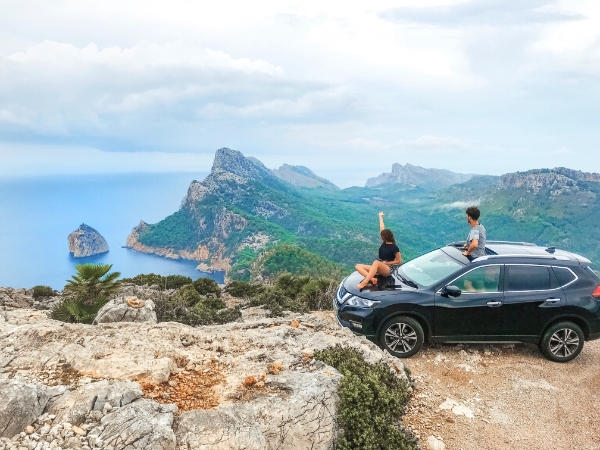
Réunion Island, located in the Indian Ocean, features a stunning landscape that ranges from tropical beaches to volcanic peaks, making it ideal for adventurous travellers. Renting a vehicle is not merely a convenience but a necessity for accessing the island’s iconic gems like the Piton de la Fournaise and the majestic Cirques.
As a French overseas department, the island’s driving standards reflect European norms, and the quality of the roads varies. Choosing between manual and automatic cars is crucial for your comfort, budget, and safety on winding mountain roads. Understanding the pros and cons of each transmission type is vital to ensure a stress-free road trip.
Manual cars remain the standard in Réunion Island, as it does in mainland France. While posing significant challenges for some tourists, manual transmission still has significant performance and financial benefits that appeal to experienced drivers and budget-conscious travellers.
For many travellers, choosing a manual vehicle can lead to significant cost savings. These cars usually fall into the more affordable rental categories, allowing budget-conscious adventurers to enjoy lower daily rates compared to automatics. Plus, their availability in the local market means they are more readily available, especially when booking last-minute or during the peak season. If mechanical issues arise, local garages are also more equipped to handle repairs on manual gearboxes.
In addition to financial advantages, manual cars offer greater mechanical control, particularly in mountainous terrain. Drivers can effectively use engine braking when descending steep roads, preventing brake overheating by downshifting into lower gears. This technique allows you to maintain a safe speed while conserving brake pads for more critical situations. Moreover, manual vehicles tend to be lighter, providing quicker responsiveness for overtaking slower-moving vehicles on uphill climbs.
It is vital to know that these benefits come with a mental and physical load that should not be underestimated. Navigating the winding road to Cilaos, which features over four hundred bends, requires constant gear changes—often shifting between second and third gear every few seconds for over an hour. For those not accustomed to frequent shifting, this can lead to leg fatigue and a loss of focus on the road. The constant physical engagement required to balance the clutch and the gear stick can distract from the navigation of narrow passes where millimetres matter.
There is also the persistent risk of stalling on steep inclines, particularly during hill starts on the island’s many narrow, vertical residential streets. Stalling in such a position is not only stressful but can be dangerous if there is following traffic close behind. Furthermore, Réunion is prone to heavy traffic jams, locally known as bouchons, around major hubs like Saint-Denis or Saint-Pierre. Managing a heavy clutch in stop-and-go traffic for an hour at the end of a long hiking day can quickly affect the driving experience and turn a road trip into a chore.
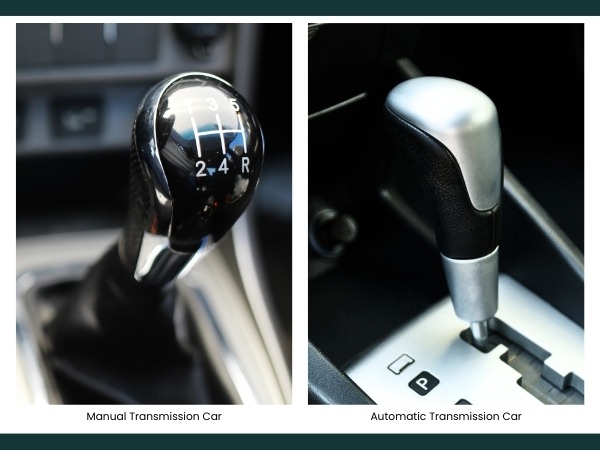
Automatic cars have seen a rise in popularity among tourists in Réunion, especially for those seeking a relaxed and stress-free road trip. The simplicity that automatics offer proves invaluable when navigating unfamiliar conditions, allowing drivers to concentrate solely on the road ahead.
Automatic cars offer an unparalleled ease of mind. Driving an automatic allows drivers to keep both hands on the steering wheel and both eyes on the road at all times, which is particularly beneficial when navigating the challenging topography. Without the need to manage a clutch, you can focus entirely on the breathtaking scenery and the technical aspects of the road ahead, such as spotting oncoming traffic on blind corners.
Furthermore, in an automatic, the dreaded hill start becomes a non-issue. Most modern automatic rentals are equipped with hill-start assist or naturally prevent roll-back, ensuring that the car remains stable when you transition from the brake to the accelerator on a 15% incline.
This transmission type is also a major advantage for urban driving. When you are caught in the humid heat of a coastal traffic jam, the simplicity of an automatic allows you to remain relaxed. For those who are used to driving on the left side of the road at home, removing the need to shift gears with the right hand while also adjusting to driving on the right side of the road significantly reduces the cognitive load. This allows for a much faster adaptation to the local driving environment, making the first few days of the trip much safer and more enjoyable.
Despite the comfort they provide, automatic cars come with several notable drawbacks in Réunion. The most immediate hurdle is the high price. Automatics are categorised as premium or luxury vehicles, meaning the daily rental cost can be nearly double that of a small manual hatchback.
Additionally, the supply is quite limited. During the busy winter months, these vehicles sell out rapidly, leaving those who prefer them with few options if they fail to book well in advance. Because there are fewer of them, you may find yourself forced into a larger vehicle than you actually need. Finding a mechanic for automatic transmissions in remote areas can also be challenging if a significant issue arises.
Moreover, many automatic drivers fail to recognise the technical learning curve of mountain safety. A common mistake is riding the brakes on long downhill sections, which can cause brake fade or failure due to overheating. To drive safely in Réunion, it's crucial to know how to manually override the automatic system. Without this knowledge, an automatic can be less safe than a manual on steep descents.

The decision between manual and automatic transmission must integrate the realities of the rental market and the individual capabilities of the person behind the wheel. A successful road trip hinges on an evaluation of your skill, itinerary, and budget.
Before making your final choice, you must honestly assess your own driving proficiency and comfort level. If you primarily drive an automatic at home and have not touched a manual gearbox in several years, Réunion is certainly not the place to attempt a refresher course. The island’s roads demand precision and confidence; stalling in the middle of a tight mountain pass with a line of local traffic behind you is a high-pressure situation that can easily lead to accidents. It is also vital to consider the legal requirements of your driving licence. Under French law, if you hold a licence that is restricted to automatic vehicles, you are legally prohibited from renting or driving a manual car.
Your planned itinerary should also be a major factor in your decision-making process. If your holiday is focused on the coastal regions, a manual car is a perfectly sensible and economical choice. The coastal roads are generally flat and well-maintained, meaning you will not be struggling with constant gear shifts. However, if your heart is set on exploring the rugged interior, an automatic transmission can significantly reduce the physical and mental strain of the journey. The interior roads are often so narrow that managing manoeuvres is significantly easier without the added complexity of a clutch.
From a logistical standpoint, your budget and your timing are intertwined. The rule for renting an automatic car in Réunion is simple: book in advance. Because the inventory is small, prices for automatics fluctuate wildly based on demand. To secure a reasonable rate, it is advisable to secure your vehicle at least three to six months before your arrival. You should also account for hidden costs that may differ between the two transmission types. While modern automatic gearboxes are efficient, older models might consume more fuel in the highlands. Furthermore, insurance costs and the security deposit for an automatic vehicle are often higher because they are typically classed as premium models.
In conclusion, there is no single right answer to the question of whether to rent a manual or an automatic car in Réunion Island. The decision rests on a delicate balance of your driving skills, your travel budget, and where on the island you intend to spend the majority of your time. For experienced drivers who are comfortable with a clutch and want to keep costs to a minimum, the manual transmission remains the quintessential choice. For travellers who prioritise comfort and prefer to navigate the mountain passes with as little stress as possible, the automatic Transmission is worth every extra Euro.
Now is the time to turn your dream of an Indian Ocean adventure into a reality. Ready to conquer the roads of Réunion Island? Do not wait until you land at Roland Garros Airport to rent a car. Book your car on Final Rentals today to lock in early-bird rates and guarantee your choice of transmission. Browse the available fleet now and take the first step toward your ultimate road trip!