A captivating atmosphere immediately greets visitors in Saint-Denis, the capital of Réunion Island. Here, the elegance of French colonial planning is infused with the vibrant, unmistakable pulse of the Indian Ocean. It is a city of contrast, where the scent of baking baguettes mingles with the heady aroma of turmeric and ginger, and where historic administrative buildings stand proudly beside brightly painted Hindu temples. This extraordinary blend is the essence of Réunion's unique Creole identity.
The Creole heritage of Réunion is a rich, cultural tapestry woven together over centuries. It represents the fusion of influences brought by successive waves of migration from Africa, India, China and Europe, primarily the French. This dynamic exchange resulted in a culture distinct from all its constituent parts—a phenomenon beautifully preserved and celebrated in Saint-Denis. This article offers a guided journey through the city’s most significant historical and cultural sites, showcasing the tangible and intangible assets that define this unique heritage.
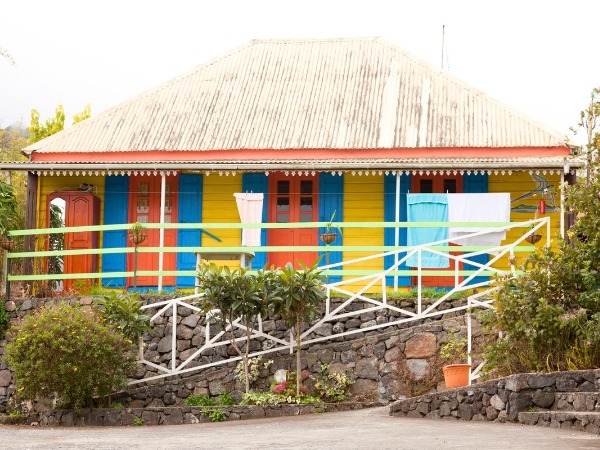
The exploration of Saint-Denis’s Creole heritage must begin on the grand Rue de Paris, the historical artery of the city. This tree-lined street serves as a breathtaking outdoor museum of colonial architecture, dominated by the classic Creole ‘Case’ or house. These structures are instantly recognisable, blending the practical needs of the tropical climate with the aesthetic preferences of 19th-century European fashion.
The hallmark of Cases is the deep, welcoming varangue or veranda, which offered shade and served as the primary social space, allowing occupants to enjoy the breeze while sheltered from the sun and rain. Above the verandas, intricate wooden lattice trim known as lambrequins adds delicate ornamentation, often dictating the specific style of the building.
The street is punctuated by several beautifully preserved mansions that exemplify the prosperity of the former Creole elite. Maison Carrère, often used as a centre for tourism information, is a prime example of a stately 19th-century colonial villa, featuring carefully maintained period furnishings and architecture. Similarly, the Villa Déramond-Barre stands as another testament to this era, its impressive scale and detailing speaking volumes about the social and economic history of the island. These homes are vital records, illustrating not just the architecture of the past but the lifestyle of the powerful families who shaped the island's early development.
Moving towards the sea, we encounter Le Barachois, the historic waterfront promenade. This area was, and remains, the symbolic connection point between the island and the wider world. Historically, it was the principal port, the entry point for both crucial trade goods and the human influx—settlers, soldiers, and enslaved and indentured peoples—who formed the Creole population. It also served as a military defence post, a fact still evident in the rows of historic canons pointed towards the Indian Ocean. Today, the promenade offers a spectacular view but carries the weight of history, symbolising the global exchange, exploitation, and ultimate convergence of cultures that define Réunion.
The physical presence of cultural mixing is most vividly demonstrated through the city’s landscape of worship, showcasing its religious syncretism. Réunion is renowned for its unique interfaith tolerance, a trait that is physically manifest in Saint-Denis. Within a short walking distance, one can find the austere and impressive Saint-Denis Cathedral, the seat of the Catholic bishopric, standing close to the Noor-e-Islam Mosque, which proudly holds the distinction of being the oldest functioning mosque in France. Nearby, vibrant, highly decorated Tamil Temples add a splash of bold colour and intricate sculpture, their ceremonial kavilars (processions) often weaving through the city streets. The seamless coexistence of these places of worship is a powerful, daily reminder of the island’s harmonious cultural fusion.
The true beating heart of Saint-Denis's cultural life is found in its markets, specifically the Grand Marché and the Petit Marché. These vibrant, bustling spaces are a living, breathing testament to the city's status as a cultural melting pot. Here, the blend of cultures is evident not only in the faces of the vendors and shoppers but in the very goods being traded. The air is thick with the scent of tropical produce and an array of spices, from fiery chillies to rich turmeric, alongside the sweet, unmistakable fragrance of authentic Bourbon vanilla. Shoppers can browse Malagasy wood carvings next to Indian silks and Chinese medicinal herbs, affirming the sheer breadth of the island’s heritage.
The culinary scene of Saint-Denis is, perhaps, the most delicious expression of Creole fusion. Réunionnais cuisine combines French cooking techniques with African and Malagasy ingredients, and seasons everything liberally with the spices of South India. The signature dishes are a celebration of this mixture.
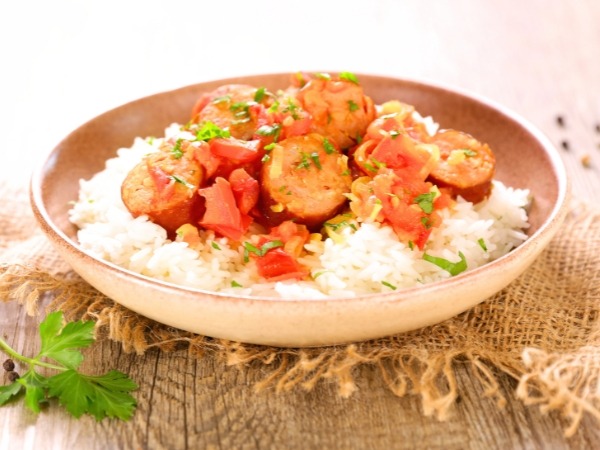
The cari (curry), the island's staple, is a slow-cooked dish, often made with chicken or fish, flavoured with turmeric, ginger, and garlic, but prepared without the heavy cream of Indian curries. The spicy, hearty rougail saucisse, featuring smoked sausage and a tomato-based relish, is another favourite, reflecting a technique adapted from Malagasy cooking.
Alongside these mainstays, street vendors tempt passers-by with ubiquitous snacks like samosas and bonbons piments (chilli fritters), both clear legacies of the Indian and Chinese diaspora. To wash it all down, the locally favoured tipple is rhum arrangé, a rum infused for months with tropical fruits, vanilla pods, or spices, served as a potent cultural digestive.
The Creole story also extends to the natural and artistic realms. The Jardin de l'État (State Garden) is not merely a pleasant public space but a historically significant site. Established in the 18th century, it was originally an acclimatisation garden, serving as a crucial laboratory for French colonial ambition. It was here that invaluable spice plants and cash crops from across the world, including coffee, cloves, and cinnamon, were tested and propagated for transplantation, fundamentally altering the island’s economic structure. Today, it is a serene green lung for the city and houses the island’s Natural History Museum, further cementing its role as a centre for historical and cultural learning.
The intangible heritage of Réunion is most powerfully expressed through Maloya music and dance. Recognised by UNESCO as part of the Intangible Cultural Heritage of Humanity, Maloya is more than just a musical style; it is a repository of history and identity. Its rhythms and instruments, such as the roulér (a large drum) and the kayamb (a flat percussion shaker), trace their origins directly back to the enslaved African and Malagasy peoples. Historically suppressed by the French authorities due to its association with ritual and rebellion, Maloya served as an essential conduit for maintaining cultural memory and expressing resistance. Today, its revival and popularity are a testament to the resilience and enduring strength of the Creole spirit.
For fine arts, the Musée Léon-Dierx offers another vital perspective. Housed in a former bishop's residence and then a colonial council building, the museum occupies a historically resonant space. It holds an impressive collection of European and local art, often showcasing how the unique landscapes and social structure of Réunion inspired and informed local artists. The museum acts as a critical bridge, placing the island’s cultural output within both a European and an Indian Ocean context.
The tour of Saint-Denis reveals the extraordinary depth and complexity of Créolité—a unique cultural synthesis that is both palpable and profound. The city tells a story of history etched into the stately verandas, tasted in the fiery rougail, and heard in the ancient rhythms of Maloya. It is a harmonious culmination of global journeys, creating a distinct and vibrant identity found nowhere else on earth.
However, Saint-Denis is merely the gateway to the island's full panorama of heritage. The true, raw heart of Réunion, its astonishing geology, and its most isolated, traditional Creole villages lie outside the city’s administrative boundaries. To witness the dramatic cirques, the towering volcanic peaks, and the mountain towns where older Creole customs are still rigorously maintained, one needs to venture inland.
Therefore, the essential next step for any visitor is to rent a car in Saint-Denis. Rental agencies are readily accessible near Roland Garros Airport or within the city centre, providing the freedom to navigate the island’s winding, spectacular roads. The history of Réunion is written in its Creole architecture, but its raw, wild heart is found along its winding mountain roads. Secure your car on Final Rentals today and start exploring!