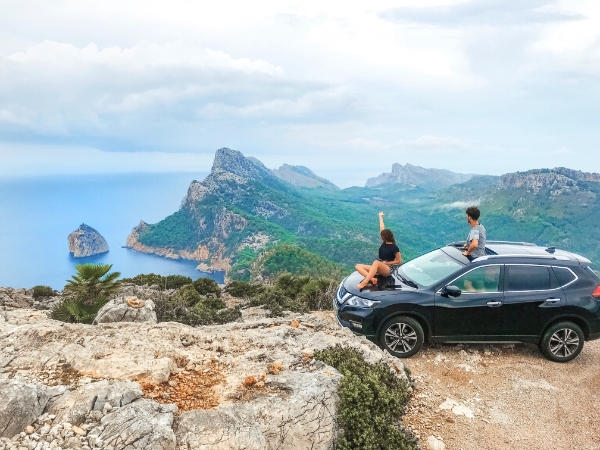
Renting a vehicle on Réunion Island is essential for exploring the Indian Ocean’s dramatic landscape. Known as the Intense Island, Réunion offers diverse geography, from turquoise lagoons to lush forests and active volcanoes. Having your own wheels allows you the freedom to stop at roadside waterfalls or reach mountain trails before the morning mist sets in, experiences that public transport simply can't offer.
While the idea of driving in a foreign land may cause anxiety, Réunion provides a surprisingly straightforward experience for motorists. With clear local regulations and a robust infrastructure, you can easily navigate the island and enjoy the open road without unnecessary stress. This guide will help you navigate the refuelling process on the island to help you have a smooth trip.
One of the most unique and comforting aspects of driving in Réunion is the way fuel prices are managed. Unlike mainland France or the United Kingdom, where prices can fluctuate wildly between a supermarket forecourt and a motorway service station, Réunion operates under a strict state-regulated system.
The Prefect of the island sets a maximum price for Sans Plomb and Gazole on the first day of every single month. This price is calculated based on international oil markets and local transport costs, and it applies across every single petrol station on the island without exception.
This system removes the competitive stress that often plagues road trips. Whether you are filling up in the heart of the capital or at a tiny outpost in the southern reaches of the island, you will pay the same price per litre. There is no need to hunt for the cheapest station or worry that you are being overcharged because of your proximity to a tourist landmark. This price transparency allows for much easier holiday budgeting. Furthermore, because Réunion does not apply the standard European Value Added Tax to fuel, and instead uses a local tax system known as Octroi de Mer, fuel prices are often surprisingly competitive compared to those found in Paris or London.
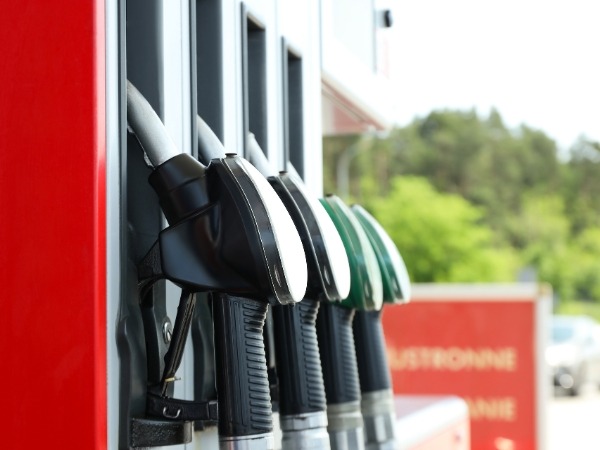
When you arrive at the pump, you will typically find two main options. Sans Plomb is the standard unleaded petrol, usually rated at 95 octane, which is suitable for the vast majority of petrol-engine rental cars. Gazole is the French term for diesel. It is vital to check your rental agreement before filling up, as many of the larger SUVs and utility vehicles on the island run on diesel to handle the steep gradients. Putting the wrong fuel into a car is a costly mistake that can easily be avoided by a glance at the sticker inside the fuel filler flap or on the car key fob.
Most journeys begin in Saint-Denis, the island’s vibrant administrative capital. If you are picking up your rental car directly from Roland Garros Airport, you will find several large, modern service stations just a few minutes from the arrivals terminal. These stations serve as the primary staging ground for your trip.
The Boulevard Sud and the coastal roads surrounding the city are dotted with familiar brands. These urban stations are expansive and offer the full range of modern conveniences, making them the ideal place to perform a final check of your vehicle before heading into the interior.
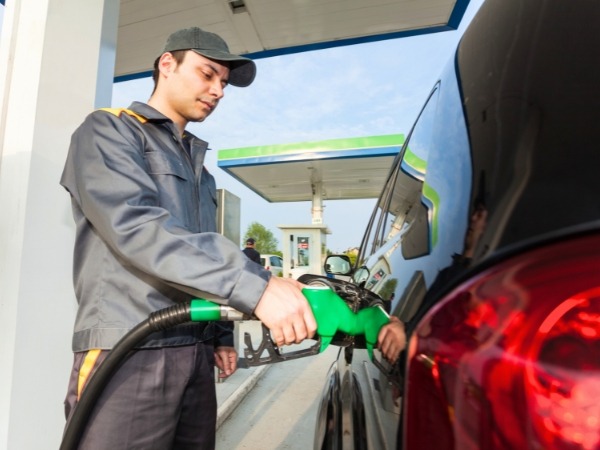
A charming and distinct feature of many stations in Saint-Denis and across the island is the presence of the Pompiste. In an era where self-service is the global norm, Réunion maintains a traditional service culture where uniformed attendants are often available to pump your fuel for you.
This is not a luxury service that requires a tip; it is simply the standard way many stations operate. You can stay in your car, indicate how much fuel you require, and the attendant will handle the rest. This provides an excellent opportunity to ask for quick directions or local advice, though most attendants will be happy to let you handle the pump yourself if you prefer.
The main challenge when fuelling in Saint-Denis is not the availability of petrol but the rhythm of the city’s traffic. The island is famous for its bouchons, or traffic jams, which occur during the morning and evening rush hours. If you need to fill your tank before a long drive, it is best to do so very early in the morning or mid-morning after the initial commute has subsided. Attempting to navigate the forecourts of Saint-Denis at five in the afternoon can be a test of patience, as the city’s narrow peripheral roads become heavily congested with locals heading home to the suburbs.
Once you leave the coastal plains and begin the ascent into the island’s interior, your fuelling strategy must become more deliberate. The three Cirques—Cilaos, Salazie, and Mafate—are massive natural amphitheatres carved out of the volcanic rock. While Salazie and Cilaos are accessible by car, the roads leading into them are long, winding, and involve significant elevation gains. This puts additional strain on your fuel consumption. A journey that looks short on a map in terms of kilometres can take twice as long and use twice as much fuel due to the constant gear changes and steep climbs.
The golden rule for any mountain excursion is to never head inland with less than half a tank of fuel. While there are small stations in the villages of Cilaos and Salazie, they are often smaller outposts with limited hours and may occasionally run dry during peak seasons or during delivery delays. It is far safer to top up your tank in the coastal hubs like Saint-André before heading into Salazie, or Saint-Louis before tackling the famous four hundred and twenty curves leading to Cilaos. Relying on finding fuel at the top of a mountain is a gamble that can lead to unnecessary stress during what should be a breathtaking drive.
The Wild South, the region stretching between Saint-Philippe and Sainte-Rose, presents its own unique challenges. This area is defined by recent lava flows and a more rugged, less populated landscape. Here, the distance between petrol stations increases significantly. This stretch of road is spectacular, as it crosses the Grand Brûlé where the volcano’s lava meets the sea, but the lack of infrastructure means you must plan your fuel stops with care. Ensure you are topped up in Saint-Pierre or Saint-Joseph before venturing eastward into the volcanic zones.
The logistical aspects of a trip to Réunion Island, from the regulation of fuel prices to the modern payment systems, are designed to be efficient and transparent. By following a few simple rules, you can navigate the island with total confidence. The infrastructure is here to support you, and the standardised pricing ensures that you are always treated fairly, regardless of where your journey takes you.
You should not let the prospect of navigating these mountain roads or managing your own logistics intimidate you. On the contrary, the challenges of the terrain are exactly what make driving here so exhilarating. Renting a car is not just a choice of transport; it is a decision to fully engage with everything this spectacular island has to offer.
Take the wheel with confidence. From the urban bustle of Saint-Denis to the silent, lunar landscapes of the Plaine des Sables, the road is yours to discover. Embrace the independence that a car provides, and you will find that the logistics of refuelling are merely a brief pause in a much larger, more magnificent story. Book your car on Final Rentals today and begin your island adventure.