Réunion may look small on a map, but travelling around the island takes more time than you expect. For most travellers, deciding between buses and rental cars in Réunion comes down to flexibility and convenience.
Public transport works well for simple coastal stays near major towns. However, if your plans include scenic drives, beaches, hiking areas, or inland attractions, it is usually better to rent a car in Réunion. Our guide compares public transport and rental cars in Réunion to help you choose the best option for your vacation.
Public transport in Réunion operates as many interconnected road systems rather than a single city network.
Réunion Island has one main inter-city bus system and is widely used by visitors travelling between the larger towns. The network connects Saint-Denis, Saint-Paul, Saint-Pierre, Saint-Benoît, Le Tampon, and the airport through route groups covering the west, east, and south of the island. Most buses include air conditioning, free Wi-Fi, USB charging points, and real-time passenger information screens.
Buses connect Roland Garros Airport with major towns around the island, including the west-coast route towards Saint-Pierre and the beach areas. Downloadable timetables are available if you want to plan connections ahead of arrival. Public transport generally works best when your accommodation, beaches, and activities stay close to these major road corridors.
When bus schedules do not suit your arrival time, luggage, or travel plans, taxis and VTC drivers are the next option. Taxis wait outside the airport terminal and continue operating until the last scheduled flight. For travellers heading south, direct airport shuttles can also reduce the stress of changing buses. Shared-seat taxis are another local option near some bus stations, though service depends on passenger demand before departure.
The greatest difficulty with buses is geography rather than cost. Main routes work well along the coast, but many famous nature sites and mountain areas require extra local connections or longer transfers. In Réunion, this matters because some of the island’s most memorable scenery is far from the main transport corridors.
Even road-accessible attractions often require careful timetable planning if you want to return the same day. Some places remain entirely inaccessible by road. Mafate, for example, can only be reached on foot or by helicopter. Travellers using buses usually need to organise their holiday around major stations and transfer points rather than complete flexibility.

The transport challenge in Réunion is not simply reaching one destination. You also need to think about early departures, changing weather conditions, multiple short stops, and access to mountain roads. This is why many visitors eventually choose rental cars in Réunion for greater flexibility throughout their stay.
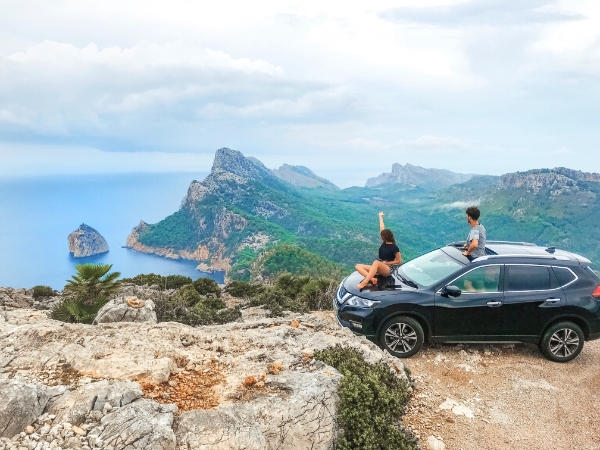
Renting a car with Final Rentals changes the way you experience the island. Réunion is packed with beaches, volcanic roads, hiking routes, waterfalls, and scenic viewpoints spread across different regions. If you are self-driving, you can leave early, stop whenever conditions improve, and combine several attractions into one day without depending on return bus schedules.
This is important for volcanic areas and mountain routes. The Route du Volcan and the Pas de Bellecombe area are both accessible by road, making self-drive travel far more practical for sunrise visits or hiking days.
The same applies to Cilaos, reached through the RN5 mountain road with its famous bends, tunnels, and cliff sections. While some places like Mafate require hiking to access, a car allows you to reach nearby viewpoints, trailheads, and scenic roads much more efficiently than buses alone.
For budget planning, economy vehicles in Réunion usually range between €20 and €35 per day, depending on season, availability, and timing of booking. Small cars are often the most practical and affordable option because they suit coastal towns, narrow roads, and parking areas better than larger vehicles. If you are searching for rental cars in Réunion, compact vehicles normally offer the best balance between comfort and daily cost.
Vehicle choice is broad across airport and town locations. Car rental companies offer city cars, estates, SUVs, family vehicles, and larger people carriers for groups. Automatic vehicles are usually available as a separate booking category rather than a standard feature, so reserving early is important if you prefer automatic driving.
You should also pay close attention to the rental agreement before collection. Insurance cover, excess amounts, deposits, fuel terms, and required documents all vary between car rental companies. Drivers generally need a valid licence, passport or ID, and a payment card in the lead driver’s name. Booking ahead often improves both availability and pricing, especially during busy travel periods.
Choosing a car does not remove every challenge. Roads in Réunion are generally well maintained, but many mountain and rural routes remain narrow, winding, and exposed to changing weather. Heavy rain can affect some coastal roads, while visibility in higher areas may change quickly during the day. Travellers from left-driving countries should also remember that Réunion follows French road rules and drives on the right.
Driving in the mountains requires extra caution. Rockfall zones, flooded crossings, sharp bends, and sudden cloud cover can all affect driving conditions. It’s best to check weather forecasts and road updates before leaving for highland areas.
Your transport choice in Réunion should match the pace and your holiday plans. Public transport works best if you are staying near coastal towns. But if your trip includes mountain drives, sunrise viewpoints, beach hopping, or several stops in a single day, rental cars in Réunion usually offer much more freedom and better overall value.
Rent a car in Réunion with Final Rentals to enjoy unlimited mileage, a wide range of vehicle options, and convenient airport pick-up. With compact cars perfect for mountain roads and coastal drives, transparent pricing, and insurance coverage, Final Rentals helps you explore Réunion comfortably and at your own pace. Book and manage your car rental at any time. Download the Final Rentals app on Google Play and the App Store.
No, not for every trip. Public transport covers major coastal towns and airport links, but a rental car is usually the better choice if you want the volcano, mountain roads, or several stops in one day.
Usually yes if you are travelling solo on the coast. But once you add taxis, airport transfers, or shared costs for two or more people, a rental car can offer better value for a more flexible itinerary.
Book as early as possible, especially if you need airport pick-up or an automatic car. In Réunion, Sainte-Marie, and Saint-Pierre, early bookings usually give you more choices and lower prices.