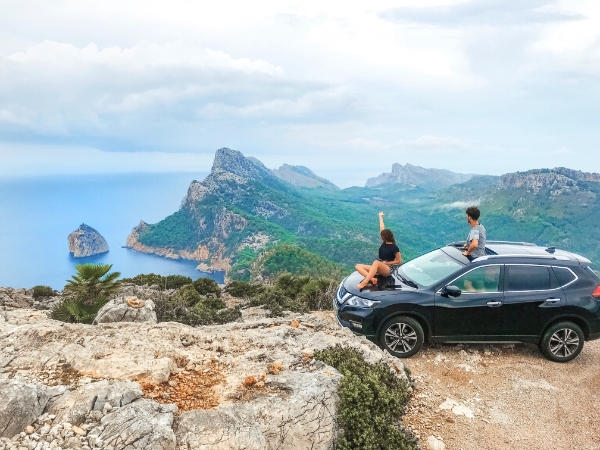
If you love big skies, sharp mountains, and wild coastlines, Réunion Island is made for sunrise and sunset chasing. You get an active volcano, deep green valleys, and calm lagoons, all within short drives. Our guide helps you explore Réunion Island with a rental car, find scenic viewpoints, and choose the best photography spots.
Light on Réunion changes fast because the island has steep slopes, tall peaks, and strong sea air. In the same morning, you can move from the warm coast to the cool highlands without a long trip.
Réunion is also part of a UNESCO World Heritage area known for rugged terrain, deep gorges, and dramatic natural walls and cirques. This means your viewpoints are not small hills. They are vast natural theatres that make it easier to explore Reunion Island by car.
Réunion was shaped by volcanoes, and you can feel that in the landscapes you photograph. Piton de la Fournaise is one of the most active volcanoes on the planet. Its lava fields and craters look like another world when the first light hits them.
On the other side, Piton des Neiges is the older giant that helped form much of the island and is now dormant. Here, you get big ridgelines, deep valleys, and soft colours at the edge of day.
What makes Réunion special is the range of viewing heights. In one trip, you can stand at a seaside lagoon and later reach around 2,190 metres at Maïdo, and it still feels like the same island.
This variety gives you many viewing angles: cliff-side parks, crater rims, forest lookouts, and high-road viewpoints. That means you can choose your sunrise or sunset based on your energy, driving comfort, and daily weather, making it easier to explore in Reunion Island.
Réunion is not defined by a single climate. The island has a wide variety of microclimates, so you can enjoy sunshine by the sea and cooler air in the mountains on the same day.
You also get protected ocean areas, including a Natural Marine Reserve stretching along the west and south-west coast. That is why places like Saint-Gilles and Saint-Leu feel calm and colourful at first light, making them ideal photography spots in Reunion when the sea is still and reflective.
Sunrise in Saint-Denis can be as early as 05:28 in summer, and as late as 06:48 in winter, so you usually begin your drive in darkness. To get the best light, arrive 20 to 30 minutes before sunrise. This allows time for civil twilight, when colours are soft and balanced, helping you fully explore in Réunion Island with better visual conditions.
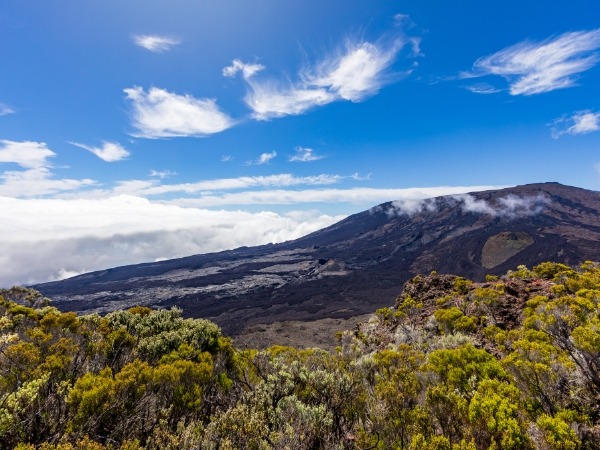
If you want the most iconic sunrise, start with Piton de la Fournaise. The main hike is about 11.6 kilometres and takes over 5 hours. It is graded as difficult, but the reward is unmatched. Begin at Pas de Bellecombe-Jacob, where sunrise reveals lava textures and crater edges. A headtorch is essential before dawn, and you must stay on marked paths due to unstable ground. Access can change quickly, so always check official volcanic updates before heading out to safely explore in Réunion Island.
Maïdo offers one of the easiest high-reward sunrise spots, accessible by road at around 2,190 metres. You overlook the Cirque of Mafate, which feels remote and untouched. Arrive early to avoid cloud cover. For photography, combine wide-angle shots with zoomed details of ridgelines and villages, making it one of the most reliable scenic viewpoints in Réunion.
Grand Bassin offers a softer, greener sunrise. From Belvédère de Bois-Court, you can look down over waterfalls and the hidden village below. When descending into the valley, prepare for a proper hike. The terrain can be slippery, and good footwear is essential. This location is perfect for those who want to explore in Réunion Island beyond typical viewpoints.
Trou de Fer is a deep chasm with dramatic waterfalls dropping around 725 metres. Sunrise improves visibility before clouds build up. Bring a tripod and bracket your shots for balanced exposure. Even with mist, the scene remains powerful, making it one of the most dramatic photography spots in Réunion.
Saint-Gilles offers a relaxed sunrise with calm lagoon waters and soft reflections. Gentle colours and peaceful water define this coastal setting. Although the sun does not rise directly over the ocean here, the light reflecting on the lagoon and mountains creates beautiful scenes. This is one of the easiest ways to explore in Réunion Island without intense hiking.
Sunset times vary seasonally, from around 17:44 in winter to later in summer. Stay for 10 to 20 minutes after sunset to capture the best colours during blue hour, enhancing your experience when you explore in Réunion Island at dusk.
Cap Méchant offers raw coastal scenery with black lava cliffs meeting the ocean. Strong contrast and rugged coastline create dramatic visuals. Photograph from a safe distance and use foreground elements for scale.
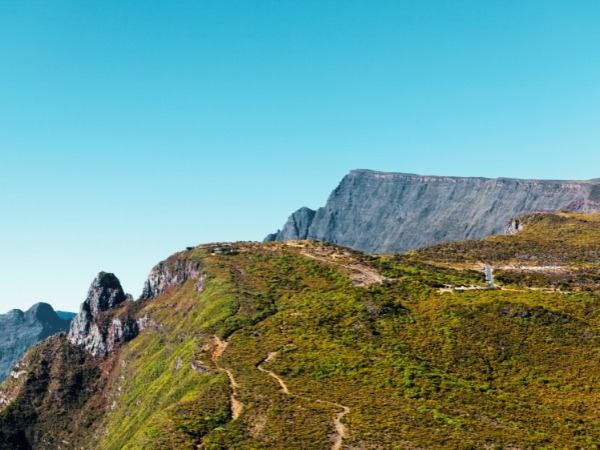
At sunset, Maïdo offers views over a sea of clouds. Golden light and cloud layers create a surreal atmosphere. Temperatures drop quickly, so bring warm clothing. The descent into darkness requires careful driving, but the reward is worth it when you explore in Réunion Island from above the clouds.
Saint-Leu combines beach life with natural beauty. Active coastline and colourful skies make it lively and engaging. You may see paragliders overhead, adding motion to your shots. It remains one of the most accessible photography spots in Réunion for sunset.
Piton des Neiges offers high-altitude sunset views at 3,069 metres. Plan carefully, as night hiking is required for descent. Staying near the refuge is a safer option for many travellers exploring in Réunion Island.
Étang-Salé features rare volcanic black sand that enhances colour contrast. Dark sand and vibrant skies create powerful compositions. The sand absorbs light, making colours richer. Adjust exposure carefully to maintain detail when capturing this location.
The best moments in Réunion Island are not just about reaching the highest viewpoints or ticking off famous photography spots. It’s about slowing down, watching how the light shifts, and letting the landscape unfold naturally. Some days will be clear, others cloudy, but both have their own magic. Stay flexible, start early, and don’t rush the experience.
Rent a car in Reunion Island with Final Rentals to explore at your own pace and never miss a sunrise or sunset. Select your pickup location, enter your travel dates, and choose a vehicle for your trip. Book and manage your car rental at any time. Download the Final Rentals app on Google Play and the App Store.
Arrive 20 to 30 minutes before sunrise or sunset to capture twilight colours and prepare your setup. Seasonal variations affect timing, so always check local sunrise and sunset hours in advance for better planning when you explore in Réunion Island.
Permits are generally not required for standard trails, but access conditions can change quickly. Always review official volcanic activity updates before visiting, as safety closures may occur without much notice.
Yes, sunrise snorkelling is possible and often calmer in lagoon areas. Choose protected zones, avoid contact with coral, and follow environmental guidelines to reduce the risk of damage to marine ecosystems.