The road to Hell-Bourg takes you from the coast into one of Réunion’s greenest mountain areas. As you continue inland, you pass waterfalls, steep cliffs, and tighter bends. Driving to Hell-Bourg starts on the wide RN2 before you turn inland near Saint-André. The D48 is fully paved, but rain, mist, and sharp curves can make some sections more demanding.
If you plan to rent a car in Reunion Island, Roland Garros Airport is a practical starting point. You can pick up your car and head east towards Saint-André. The mountain route is manageable if you stay patient and slow down before tighter bends. Our guide explains the route, difficult sections, weather, car choice, safe stops, and parking in Hell-Bourg.
For driving to Hell-Bourg from Roland Garros Airport, expect about 45 kilometres and 1 hour to 1 hour 15 minutes. You begin on the RN2 before turning inland onto the D48.
Before leaving the rental area, check the fuel level, tyres, lights, wipers, and brakes. Note any existing marks on the rental form or take clear photos. You should also confirm the insurance terms and what support applies during the rental. Set your navigation for Hell-Bourg before driving away. Once ready, follow signs towards Saint-André on the RN2 eastbound. Use the wider first section to get used to the car.
Stay on the RN2 eastbound as you pass Sainte-Marie and continue towards Saint-André. This section has several lanes in places, clear markings, and gentle curves. You can keep a steady pace as you get used to local traffic. Saint-André is the main gateway towards Salazie. Follow signs inland for the Rivière du Mât and D48 when you reach the correct junction. Under normal conditions, the road to Salazie takes about 20 minutes from Saint-André.
The D48 follows the Rivière du Mât into the Cirque de Salazie. The road remains paved, but the number of tight curves increases as you climb. You may also see water beside the road after rain. Some waterfalls can send spray across nearby sections. Use proper lay-bys or marked areas when you want to stop. Never stop on a blind bend or narrow section.

You will pass through Salazie before continuing towards Hell-Bourg, with Voile de la Mariée visible along the way. The bends become tighter after this area, so slow down before each curve. The road stays paved all the way to the village as you climb deeper into the cirque. Expect a slower final section due to bends, local traffic, and changing weather conditions. You can reach the village centre without any off-road driving.
For most confident drivers, driving to Hell-Bourg is manageable because the road is paved and maintained. Tight bends, steep sections, rain, and oncoming traffic create most of the difficulty.
The D48 is not an off-road route, so you do not need a 4x4. Some sections are narrowed to one lane in each direction. Keep well inside your side and avoid cutting across bends. There is usually enough road space when both drivers stay in position.
Salazie receives frequent rainfall, and conditions can change more quickly than on the coast. Rain can reduce grip, while mist can lower visibility around bends. Water may also cross or gather near parts of the road after showers.
Slow down early when visibility drops. Use your headlights when rain or mist makes the road harder to see. Increase your following distance and avoid sudden steering or braking. Conditions near Hell-Bourg can differ greatly from the weather around Roland Garros Airport.
Steep slopes mean rockfalls and debris can reach the road after heavy rain. Small rocks, branches, or mud may appear around bends. Larger falls can also lead to temporary closures while crews clear the route. Check the local road status before setting off after storms or very heavy rain. Do the same before returning if the weather has changed. Conditions in the mountains can differ from coastal areas, even on the same day.
The Salazie route is generally less demanding than the road to Cilaos. Cilaos has more hairpins, tunnels, and exposed sections.
The road to Cilaos is known for around 400 bends and several narrow tunnel sections. By comparison, the D48 towards Hell-Bourg has fewer extreme curves. You still get hairpins, steep slopes, and narrow areas, but the route is less intense.
If driving to Hell-Bourg is your first mountain trip on Reunion, the road can still feel demanding. Keep your focus on lane position and braking. Do not compare your speed to that of local drivers who may know every bend.
Driving in Cilaos usually feels more demanding because you deal with more hairpins, cliffside sections, and narrow tunnels. The route to Hell-Bourg is generally gentler, although rain and mist can still make the drive harder.
If mountain roads are new to you, keep a steady pace and slow down before tighter bends. You will have more time to spot oncoming traffic and changes in the road ahead. Hell-Bourg is usually the easier of the two routes, but you should still drive carefully throughout.
Good preparation can make driving to Hell-Bourg more comfortable. Choose a familiar car type and plan for weather, safe stops, and parking.
You do not need a 4x4 because the D48 is paved. A compact car can be easier to place on narrow sections and in small parking spaces. A compact SUV can give you more luggage space without being too large.
An automatic transmission can reduce gear changes on winding sections. A manual can give you direct control over gears on climbs and descents. Choose the type you already feel comfortable driving.
Book your car rental with Final Rentals if you want to easily navigate booking before heading into Salazie. You get unlimited mileage, plus included CDW and TPL, so there is no mileage limit to track during your trip. If you want more protection, you can also add Super CDW to reduce the excess to zero.
Slow down before entering a hairpin bend. Use 1st or 2nd gear when the slope is steep. Keep a steady speed through the corner instead of braking sharply halfway around it. Downshift early on climbs when the engine needs more pulling power. On descents, use a lower gear for engine braking.
Do not coast in neutral, and avoid pressing the brake continuously for long periods. Watch the road ahead for buses or cars. Wait for a clear straight section before overtaking slower traffic.
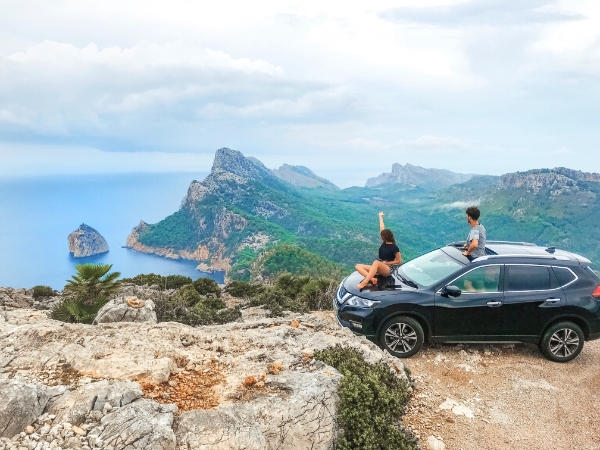
A Hell-Bourg road trip gives you waterfalls, green cliffs, and mountain viewpoints along the D48. The Voile de la Mariée is one of the best-known sights along the route. Use marked parking areas, lay-bys, or clear road widenings when you want to stop. Never park on a blind curve or where drivers cannot see your car early enough. If water crosses a road section, reduce speed and judge the depth first. If you are unsure, continue to another safe viewpoint instead of stopping suddenly.

Check the weather for Salazie, not only the airport or coast. Mountain rain and mist can develop while lower areas remain dry. Heavy rain can also cause debris, rockfalls, or short road closures. Make sure your navigation is working, especially if you need a different route. If the weather worsens, slow down and adjust your plans around the current road conditions.
Hell-Bourg is compact, so parking once and walking is usually practical. Look for public parking near the village centre or Maison Folio. Spaces can fill more quickly during weekends and holidays.
After parking, you can reach the main streets, cafés, shops, and several attractions on foot. Some side streets are steep, so wear comfortable shoes. When driving in Hell-Bourg, slow down and watch for pedestrians, parked cars, and narrow village streets.
Driving to Hell-Bourg is manageable when you understand what the mountain road requires. The route is paved, so you do not need a special car or off-road driving experience. You should focus on steady braking, careful steering, and slower speeds around tight bends. Once you are comfortable with these conditions, having your own car also gives you the freedom to stop at safe viewpoints along the route.
Rent a car in Reunion Island with Final Rentals and choose from compact or economy options that can feel easier on the tighter mountain roads. You can also book and manage your rental at any time through the Final Rentals app. Download it on Google Play or the App Store.
The road is paved and well-maintained, so it’s generally not extremely difficult for a confident driver. It does have many bends and can be narrow in places, so you should drive carefully, especially in rain or fog. Most guides say it’s easier than the road to Cilaos. By going slowly on hairpins and checking the weather, you can handle it.
No special vehicle is needed. The D48 route to Hell-Bourg is entirely paved, so any normal car or SUV will do. A compact car can be easier on the tight turns, and an automatic transmission may reduce shifting stress. A 4×4 would be unnecessary and bulky. Most travellers use standard rental cars for the trip.
The drive is roughly 45 km and usually takes about 1 hour. You’ll take the RN2 highway to Saint-André (about 30 minutes), then turn onto the D48 up to Hell-Bourg (another 30 to 45 minutes). Plan for a bit of extra time for photo stops or if you encounter slow vehicles in the cirque.